Why Understanding Yoga Matters: The Unregulated Industry Nobody Talks About
3minute read or try our experiment with turning our blogs into an audio! 13-minute listen
Yoga has exploded over the last 20 years.
In the UK alone, somewhere between 2 and 3 million people now practise yoga in some form, and demand keeps rising every year. Pre-2020 estimates suggested nearly 5,000 studios offered 20,000–30,000 classes per week, and the market for yoga, meditation and wellbeing services is now valued in the billions.
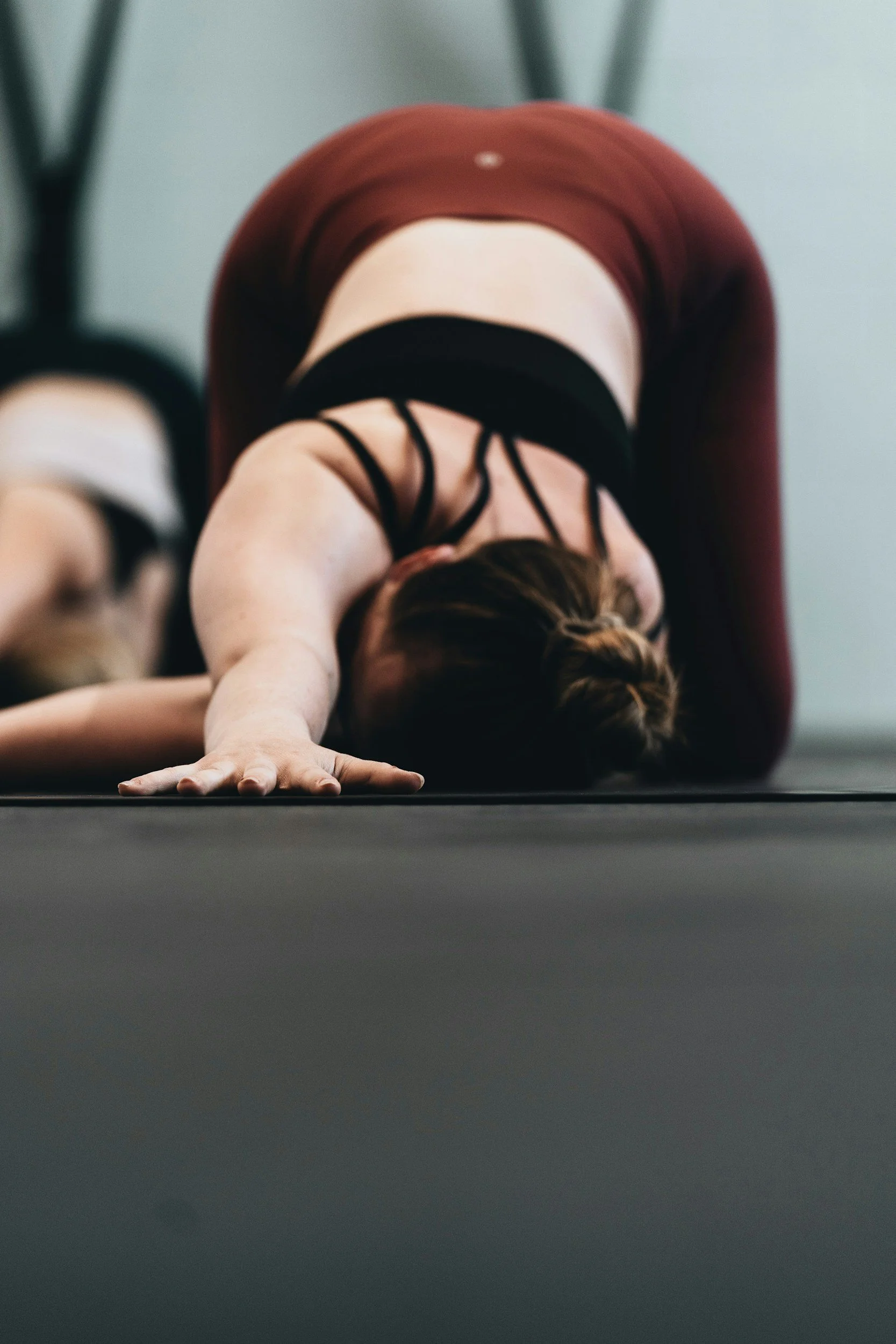
Yoga is no longer niche.
It’s part of how we think about health, stress, emotional regulation and long-term wellbeing.
And yet, for all this growth, one thing hasn’t changed. Yoga is still an unregulated industry.
There is no governing body deciding what counts as quality teaching.
No consistent standard for what a “yoga teacher” is.
No required qualifications.
No rules for what someone must understand about the body, the mind or the nervous system before guiding a room full of people.
Some teachers come from deep, lineage-based study.
Some have decades of embodied experience.
Some are thoughtful educators with backgrounds in psychology, anatomy or trauma-informed practice.
Some are brand-new teachers who completed a 200-hour course over two weekends.
And some… teach with almost no training at all.
This doesn’t mean yoga is unsafe or untrustworthy.
It means we need to approach our practice more intentionally
.
Because the truth is this:
We are our own best teachers.
And an unregulated industry makes this more important than ever.
That doesn’t mean learning alone.
It means learning with awareness.
Choosing courses and teachers who value integrity, depth and evidence.
Understanding what’s happening to your body, your breath and your nervous system.
And building a practice that makes sense for you, your physiology, your history, your mental health, your season of life.
This is where the last 20 years of yoga research becomes so empowering.
We now know that yoga-based practices regulate the autonomic nervous system, improve emotional balance, and support psychological well-being. We know that slow, breath-led movement increases vagal tone, boosts calming neurotransmitters, and influences cognitive clarity. We know that simple, sustainable practices can reshape our long-term wellbeing.
But to benefit from any of this, you need understanding, not performance.
You need awareness, not aesthetics.
Curiosity, not comparison.
Consistency, not intensity.
And this is exactly why courses like Yoga for Life exist, to help practitioners become more informed, more self-led, and more connected to the inner experience of yoga rather than the outer shapes. And with three exceptionally qualified practitioners.
We’ve built a programme rooted in psychology, neuroscience, mindfulness and traditional yoga philosophy — not because yoga needs regulation, but because you deserve education.
You deserve to understand your mind.
You deserve to understand your body.
You deserve a practice that supports your health, not your stress.
And you deserve to feel confident navigating an unregulated industry with clarity, depth and self-trust.
Yoga will always be a “choose your own path” practice.
But the more you understand yourself, the safer, stronger and more sustainable that path becomes.
So if you’re ready to deepen your practice in a way that honours both science and tradition, and if you want the kind of education that puts you at the centre, Yoga for Life opens this March.
Because in an unregulated world, being an informed student is the most powerful practice of all.