Pay attention to your Breathing.
4-minute read or
Audio 1= deeper dive into what the evidence is or is not telling us (18 mins)
In yoga, the breath is much more than a biological function. It is seen as the bridge between body and mind.
For centuries yogis have used breath regulation, known as prāṇāyāma , to cultivate concentration, vitality and emotional balance. In early Buddhist traditions, breath meditation was also taught as a path toward insight and clarity.
Today, modern science is beginning to understand what yogic traditions have long observed: the breath has a powerful influence on the nervous system and the mind.
Research suggests that structured breathing practices can help reduce symptoms associated with anxiety, stress, insomnia, depression, post-traumatic stress disorder and attention difficulties. While yoga is not a replacement for professional mental health care, it can be a powerful complementary practice that supports emotional regulation and resilience.
The Nervous System and Stress
When we experience stress or anxiety, the autonomic nervous system becomes activated. This system controls many of the body’s automatic functions such as heart rate, breathing and digestion.
It has two key branches.
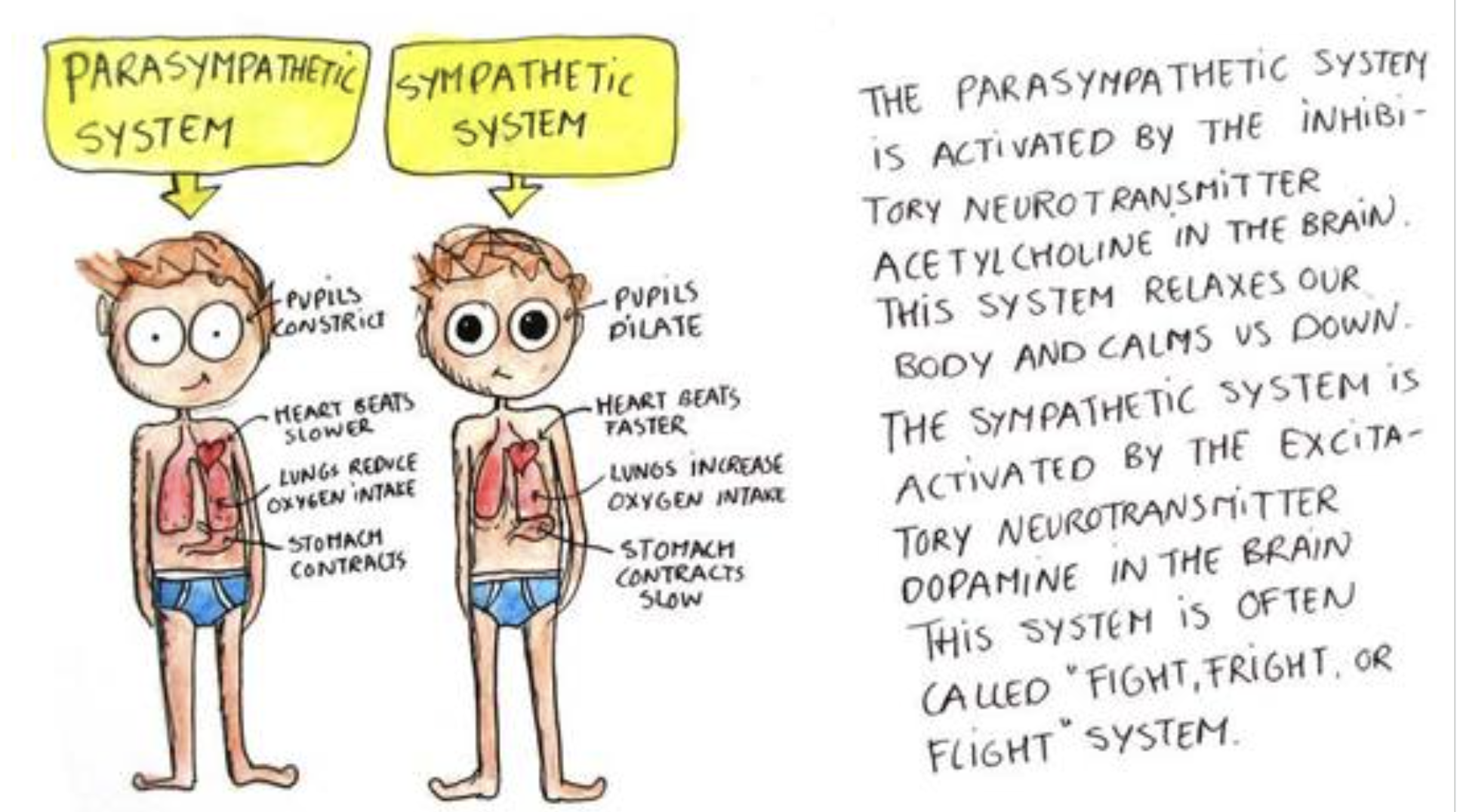
The sympathetic nervous system prepares the body for action — the familiar fight, flight or freeze response. Heart rate increases, breathing becomes quicker, and stress hormones such as cortisol are released.
The parasympathetic nervous system, by contrast, supports rest, digestion and recovery. When this system is active, the body slows down and begins to repair and restore.
In chronic stress or anxiety, the sympathetic system can become overactive, leaving the body in a persistent state of alertness. Yoga breathing practices work by gently stimulating the parasympathetic nervous system, helping the body shift back toward calm and balance.
The Vagus Nerve: A Key Pathway to Calm
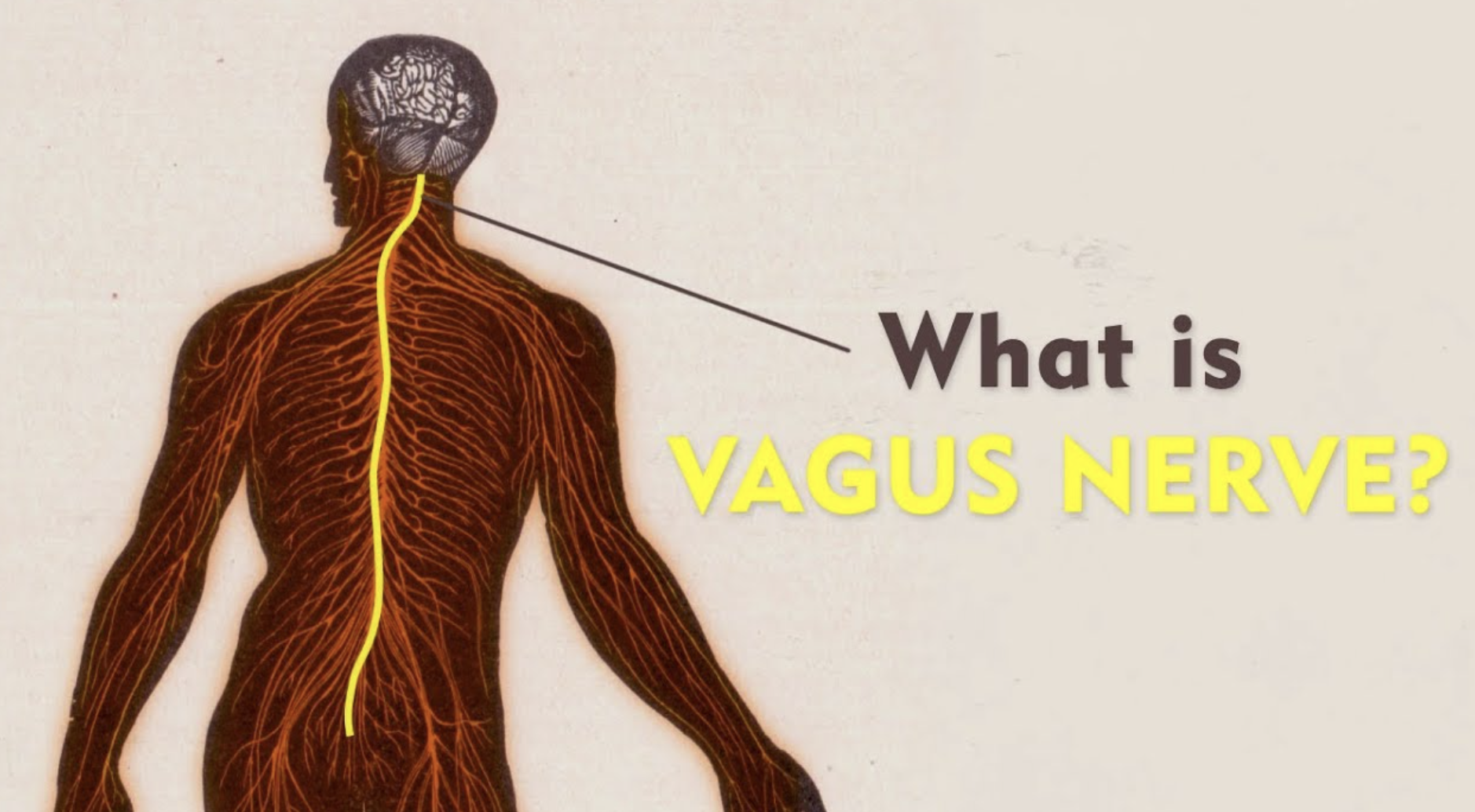
Mediator of Parasympathetic Response
80% of fibres go from body to brain (afferent)
Sends messages to heart reducing rate
Releases anti-inflammatory chemicals
Higher tone = faster the messages
Lower tone = chronic anxiety
Sometimes called “the wandering nerve,” the vagus travels from the brainstem to the heart, lungs and digestive organs. It plays an important role in regulating heart rate, breathing and emotional responses.
Breathing is one of the simplest ways to influence this system.
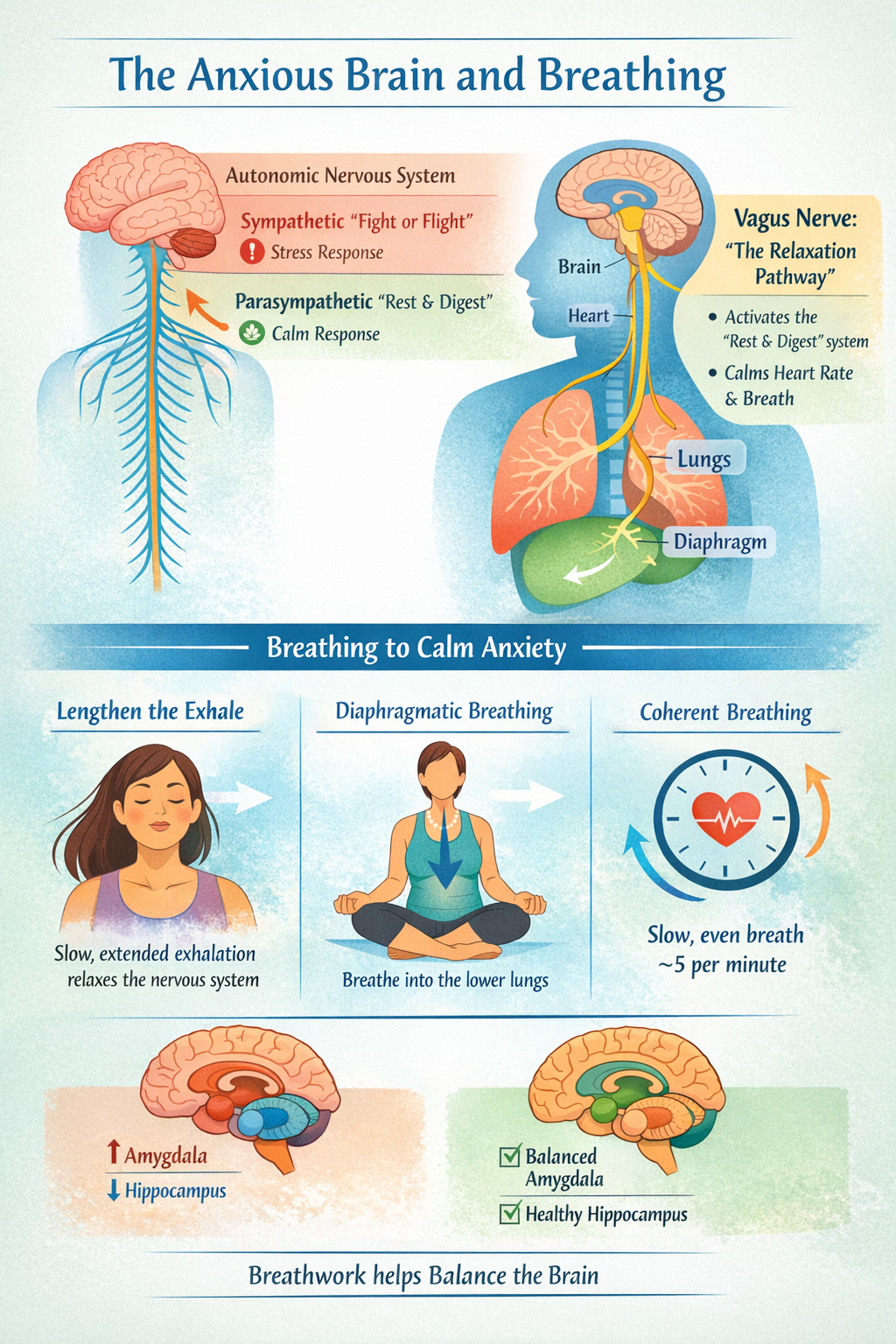
Slow, controlled breathing, particularly when the exhalation is longer than the inhalation, stimulates the vagus nerve and sends signals from the body back to the brain that it is safe to relax. As the heart rate slows, the brain receives feedback that the threat has passed, helping to settle the stress response.
Breath, Brain Chemistry and Calm
Yoga may also influence the brain’s chemical balance.
Research has found that yoga practice can increase levels of gamma-aminobutyric acid (GABA), a neurotransmitter that helps calm neural activity. Low levels of GABA have been associated with anxiety and mood disorders.
By supporting vagal activation and slowing the nervous system, breathing practices may help promote this calming neurochemical environment.
Some emerging research also suggests that yoga breathing may influence nerve growth factor (NGF) — a protein that supports neuron health and protects brain cells. One small study found increases in NGF after participants completed a short yoga breathing practice that included breath regulation and chanting.
While research in this area is still developing, it offers promising insights into how breathing practices may support brain health.
Rewiring the Stress Response
The brain is constantly changing through experience — a process known as neuroplasticity.
Structures involved in stress and emotional regulation, including the amygdala, hippocampus and prefrontal cortex, interact closely with the nervous system. Chronic stress can disrupt these networks, making it harder to regulate emotions and respond calmly to challenges.
Yoga works on this system from two directions.
Breathing and movement influence the body and nervous system directly — a bottom-up approach. At the same time, mindfulness and attention strengthen the brain’s regulatory circuits — a top-down process.
Together, these practices can gradually retrain the stress response and support greater psychological balance.
A Practice of Self-Regulation
Perhaps the most powerful aspect of yoga breathing is its accessibility. The breath is always available, and learning to work with it gives people a practical way to regulate their internal state.
By slowing the breath, noticing sensations in the body and bringing attention to the present moment, yoga invites us to move from reactivity toward awareness.
Over time, these small practices can build nervous system resilience, helping us respond to life’s pressures with greater steadiness and ease.
In a fast and often overwhelming world, something as simple as learning to breathe consciously can become a profound tool for supporting mental health.